


.svg.webp)


Lessons in Resilience Under Pressure
A famous quote from Mike Tyson goes straight to the point:
“Everybody has a plan until he gets punched in the face.”
Dutch football legend Rinus Michels framed the same reality from the touchline when he said: “Football is war.”
The military version is equally blunt: “No plan survives first contact with the enemy.”
Different worlds. Same moment.
All three point to the instant when preparation collides with reality. The moment pressure enters the system and exposes what is actually there.
This is the moment we have in mind throughout the Road to Georgia. The preparation for the U20 World Championship in 2026 is not built around flawless execution. It is built around what happens when the game does not unfold as imagined.
Why plans collapse on contact
Plans are designed in calm environments. Locker rooms. Meeting rooms. Training grounds. They assume time, clarity, and rational behavior. They assume people will act as expected.
Reality does not cooperate.
The first punch hurts.
The first goal or try conceded shakes belief.
The first unexpected move by the opponent disrupts rhythm.
Suddenly, emotion enters the equation. Adrenaline. Fear. Urgency. Ego. Doubt. This is the point where carefully crafted plans begin to unravel.
This is not failure. It is exposure.
Pressure does not create character. It reveals it.
Contact reveals what is embodied, not what is written
In boxing, the punch tests conditioning and composure.
In war, first contact tests command, communication, and trust.
In football or rugby, the first high press, counterattack, or refereeing call tests identity.
What survives is not the plan itself, but what has been practiced deeply enough to become instinct.
Teams do not fall back on what they discussed in theory.
They fall back on what they have rehearsed under stress.
This insight sits at the heart of the Road to Georgia. At international U20 level, structure will break. The question is not whether it happens, but how quickly the team recognizes it and responds together.
Michels understood this well. Total Football was not a rigid system of positions. It was a shared understanding of space, movement, and responsibility. When structure broke, principles held.
The opponent always gets a vote
One of the most uncomfortable realities in sport and leadership is that execution never happens in isolation.
The opponent adapts.
The environment changes.
Momentum shifts.
Michels called football war not because of violence, but because of interaction. You are constantly responding to an intelligent, resisting force that is trying to disrupt your intent.
The same applies in rugby, business, and any other team environment where people must perform together under pressure. The system pushes back. Reality answers your plan with its own agenda.
That is why preparation cannot stop at tactics. It has to reach mindset, relationships, and shared understanding.
So what creates resilience when the plan breaks?
Resilience is often mistaken for toughness. It is not about enduring pain or pushing harder.
Resilience is adaptability under pressure. The ability to stay functional when the script disappears.
Here is what resilient teams consistently share.
Principles over plays
Rigid tactics collapse when chaos arrives. Clear principles do not.
Resilient teams know how they play, not just where they stand.
They know what matters when structure dissolves.
They know who takes initiative when instructions no longer apply.
Principles travel. Plays do not.
Shared mental models
When pressure rises, communication shrinks. Words become shorter. Signals replace sentences.
Resilient teams see the same game. They share a mental map of what matters, so coordination remains possible even when time and space disappear.
This shared understanding is built long before match day through repetition, reflection, and trust. It is a core focus in the Road to Georgia WC preparation, long before a ball is kicked in 2026.
Training adversity, not just perfection
You do not prepare for chaos by avoiding it.
Resilient teams train while fatigued.
They train after setbacks.
They train under time pressure.
They train in scenarios where something goes wrong on purpose.
If adversity is never rehearsed, it will always feel like a surprise.
Psychological safety inside the team
The strongest teams combine external aggression with internal safety.
Players must be free to make decisions, recover from mistakes, and adapt without fear of blame.
Fear freezes adaptation. Trust accelerates recovery.
This is one of the core paradoxes of high performance. The safer the environment internally, the tougher the team becomes externally.
Leadership that steadies the moment
When chaos hits, teams look for emotional anchors.
Not the loudest voices.
The calmest ones.
Resilient teams always have leaders who slow the game when needed, reset belief after setbacks, and model composure under stress. This is not about authority. It is about emotional regulation.
The deeper lesson
Tyson, Michels, and the military all point to the same insight.
Performance is not proven in preparation.
It is revealed in disruption.
Plans matter. Preparation matters. Strategy matters.
But what ultimately decides outcomes is identity, habits under pressure, and the ability to adapt together when the plan no longer applies.
In sport, in leadership, and in life, the real question is never whether the plan will break.
It will.
The question is what shows up when it does.
-----
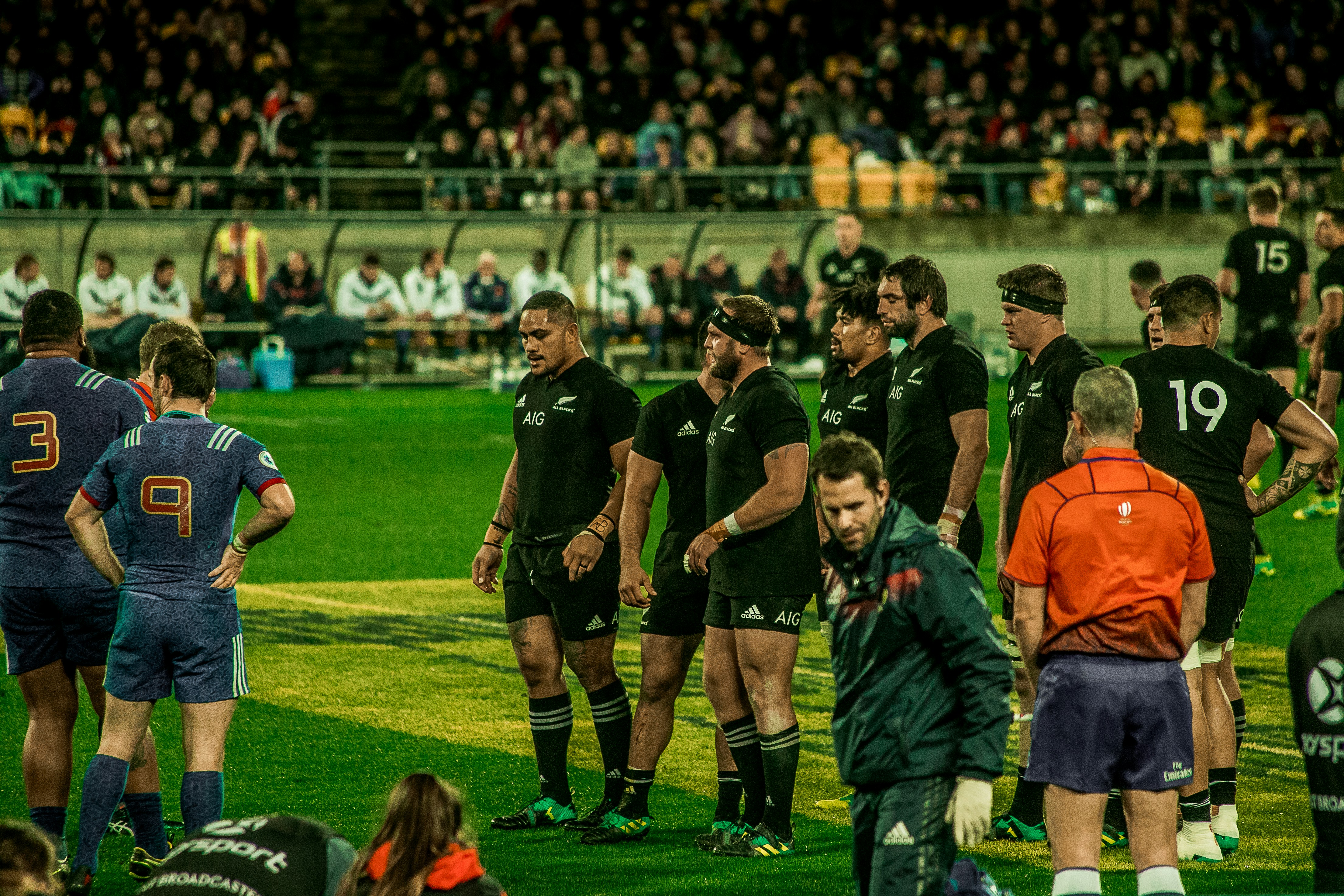
Picture by James Coleman










.webp)