


.svg.png)

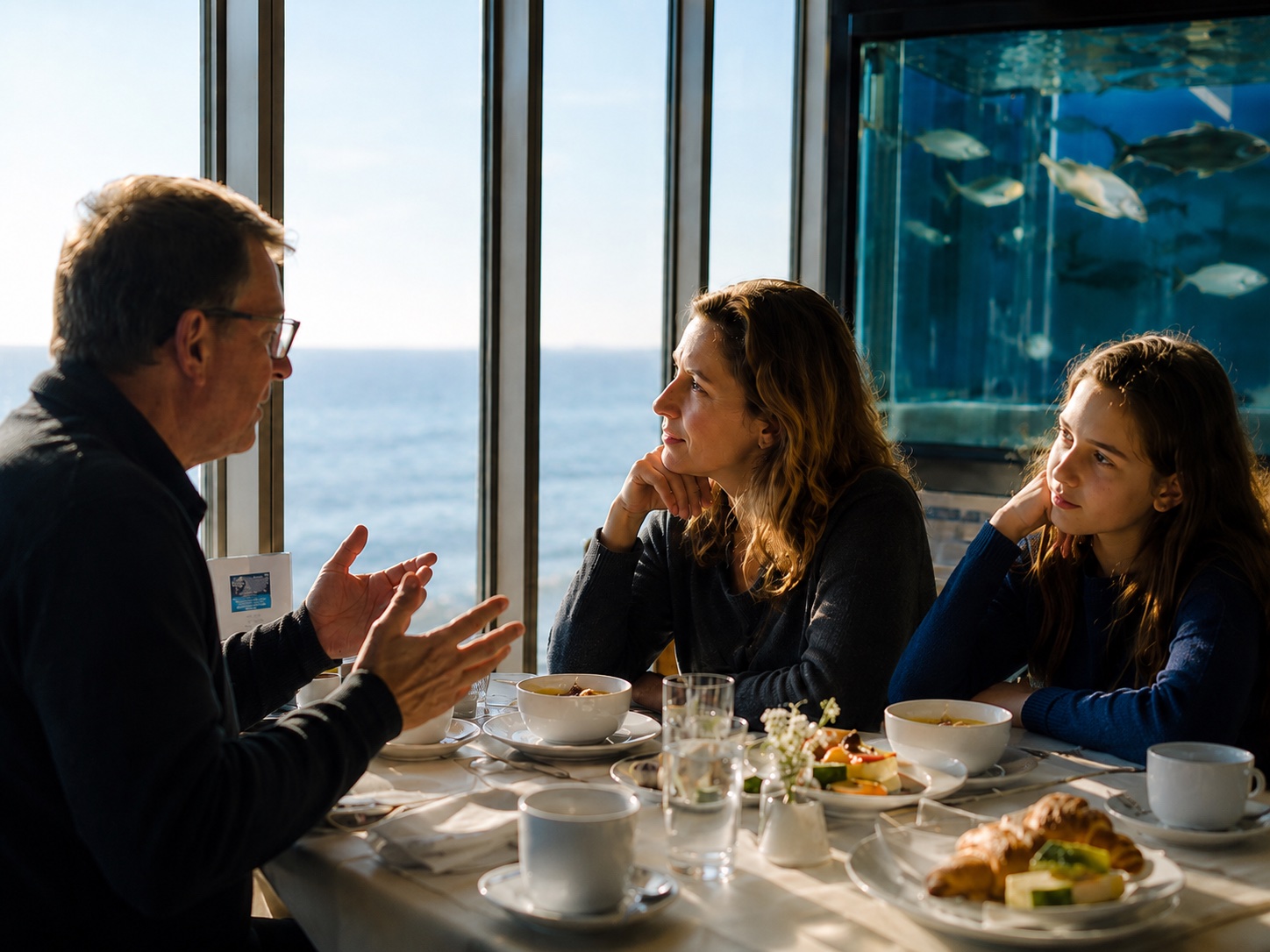
A family sits around a conference table. The lawyers have done their job. The advisors have done theirs. The structure is elegant. The tax planning is sound. The protocol has been drafted, reviewed, revised, and signed. Someone says, with visible relief, “Good. Now we have governance.”
But the room tells a different story. One sibling barely looks at another. A daughter signs because she does not want to disappoint her father. A son has never said out loud that he does not want to work in the business. A cousin feels included in the document but excluded from the conversations that created it. The founder believes the family is aligned because nobody objected.
The protocol is complete. Something essential is unfinished.
This is where many families misunderstand governance. They believe the protocol is the work.
It is not. The protocol is the visible result of the work. It can record decisions. It cannot create the emotional capacity to live with them.
I learned this the long way.
At the beginning of the new millennium, Citibank Private Bank in New York asked me to become Latin America’s family and corporate governance champion. My role was to help family business owners preserve both the enterprise and the family across generations. At first glance, the work seemed structural. Boards, councils, protocols, shareholder agreements, succession plans. All of that mattered. It still does.
But after working with families from Tierra del Fuego to Vancouver, one lesson became impossible to ignore. The greatest obstacle to continuity was rarely technical. It was human.
Some years ago, I worked with a family that had invested heavily in governance. The protocol was professionally drafted. The ownership rules were clear. From the outside, it looked like governance was working.
Inside, one brother had stopped speaking to his sister after a dividend decision. He still attended meetings. He still nodded when necessary. He still voted when asked. But he stopped staying for the family lunch. Nobody mentioned it. The relationship had gone cold.
For him, the dividend was not about money. He had built a career outside the company. His sister had not, and neither had her husband. They lived comfortably from the dividends. In his view, her husband should have been working, building something, providing for his own family, not living from hers. And it was not only them. Too many in the family lived from the company. Too few had built anything of their own. What others called fair distribution, he called entitlement. The protocol had an answer for the dividend question. It had no answer for what that decision meant to him.
None of this had been said out loud. The sister did not know her brother saw it this way. The brother assumed his withdrawal said enough. Both were wrong. My work was not to fix the dividend. It was to make the conversation underneath it possible, so the brother could finally say what he believed about earned and unearned wealth, and the sister could hear it without the relationship breaking.
Only then could the protocol start doing its job.
This is where coaching adds something other advisors usually cannot. Most families never get to ask the harder questions out loud. By the time the conversation begins, the question has already become a legal clause, a positional argument, or an emotional explosion. Coaching is the discipline of asking them earlier.
What does fairness mean in this family? Where have we confused loyalty with silence? Who feels responsible for the enterprise, and who feels entitled to its benefits? What kind of family do we want to be when the founder is no longer in the room?
This does not mean the coach replaces the other advisors. A coach who tries to do that quickly becomes part of the problem. The coach does not draft the buy-sell clause, design the trust, or replace the lawyer. The coach helps the family become capable of using the structures it creates.
That begins with listening, often through confidential conversations before the family meets as a group. Not gossip. Not blame. The purpose is to see the system from the inside, and to see the patterns clearly enough that the family can stop blaming one person for what the system has quietly taught everyone to avoid.
Then the family comes together. Warmth, but discipline. Empathy, but not indulgence. Truth, but not cruelty. The aim is not consensus. Forced consensus is dangerous, and silence is not harmony. Silence is deferred conflict. The aim is shared understanding.
This is not soft work. It is often easier to draft a buy-sell clause than to ask a brother why he no longer trusts his sister. Easier to create a family employment policy than to tell a nephew he is not ready for a senior role. Easier to design a family council than to admit that the family does not yet know how to have a productive meeting.
Families that avoid these conversations pay later. They pay in mistrust, in disengagement, in beautifully written protocols that are quietly ignored.
When a family asks, “Can you help us create a protocol?” I listen for the question underneath the question. Often the deeper question is this:
Can you help us become the kind of family that can actually live by one?
That is the question that determines whether governance will live.
The family protocol is not the work. The work is building the trust to create it, the maturity to live by it, the courage to revise it, and the shared purpose to pass it on.
At the end of a good process, the room feels different. Not perfect. Not sentimental. Not magically aligned. But more honest. The founder may still be worried. The siblings may still disagree. The next generation may still be finding its voice. The document may still need another round of legal review.
But something has shifted. People are no longer hiding behind the protocol. They are beginning to stand behind it.
That is when governance starts.







.png)


